

🌱 Raising Grateful and Resilient Children: A Parent’s Guide
Parenting young children is both rewarding and challenging. Amid the daily routines of meals, school runs, and bedtime stories, parents often wonder how to instill values that will serve their children for life. Two of the most powerful traits to nurture early on are gratitude and resilience. Gratitude helps children appreciate what they have, while resilience equips them to bounce back from setbacks. Together, these qualities create a foundation for emotional well-being, strong relationships, and lifelong success.
💡 Why Gratitude and Resilience Matter
Gratitude encourages children to focus on the positives in their lives, fostering empathy and kindness. Studies show that grateful children are more optimistic, have stronger social connections, and experience greater happiness.
Resilience is the ability to adapt and recover from challenges. Resilient children are less likely to be overwhelmed by stress, more willing to try new things, and better prepared to handle the ups and downs of growing up.
By teaching both, parents give their children tools to thrive emotionally and socially.
🌟 Teaching Gratitude



Gratitude doesn’t come naturally to most young children—it’s a skill that must be modeled and practiced. Here are practical ways parents can nurture it:
1. Model Thankfulness
Children learn by watching. Express gratitude openly in everyday life:
“I’m thankful for this delicious meal.”
“I appreciate how you helped me tidy up.” When children see gratitude in action, they begin to mirror it.
2. Create Gratitude Rituals
Simple routines make gratitude a habit:
Bedtime reflections: Ask, “What’s one good thing that happened today?”
Gratitude jar: Write down small joys on slips of paper and read them together weekly.
Family gratitude circle: Share one thing you’re thankful for at dinner.
3. Encourage Perspective-Taking
Help children recognize the efforts of others. For example, explain how a teacher prepares lessons or how a farmer grows the food they eat. This builds appreciation beyond their immediate world.
4. Celebrate Effort, Not Just Outcomes
Instead of focusing only on achievements, thank children for their effort: “I’m grateful you tried your best.” This reinforces the value of persistence and kindness.
🌟 Teaching Resilience

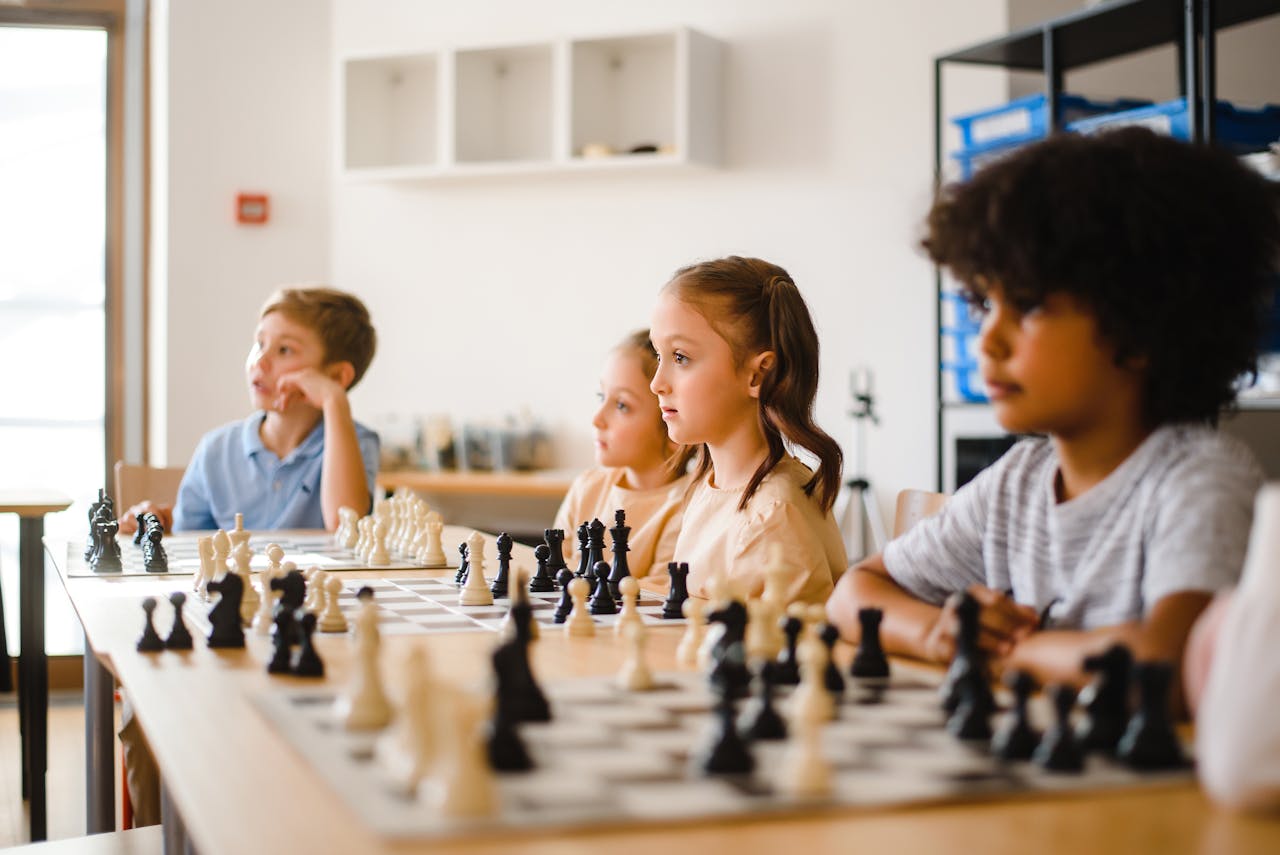
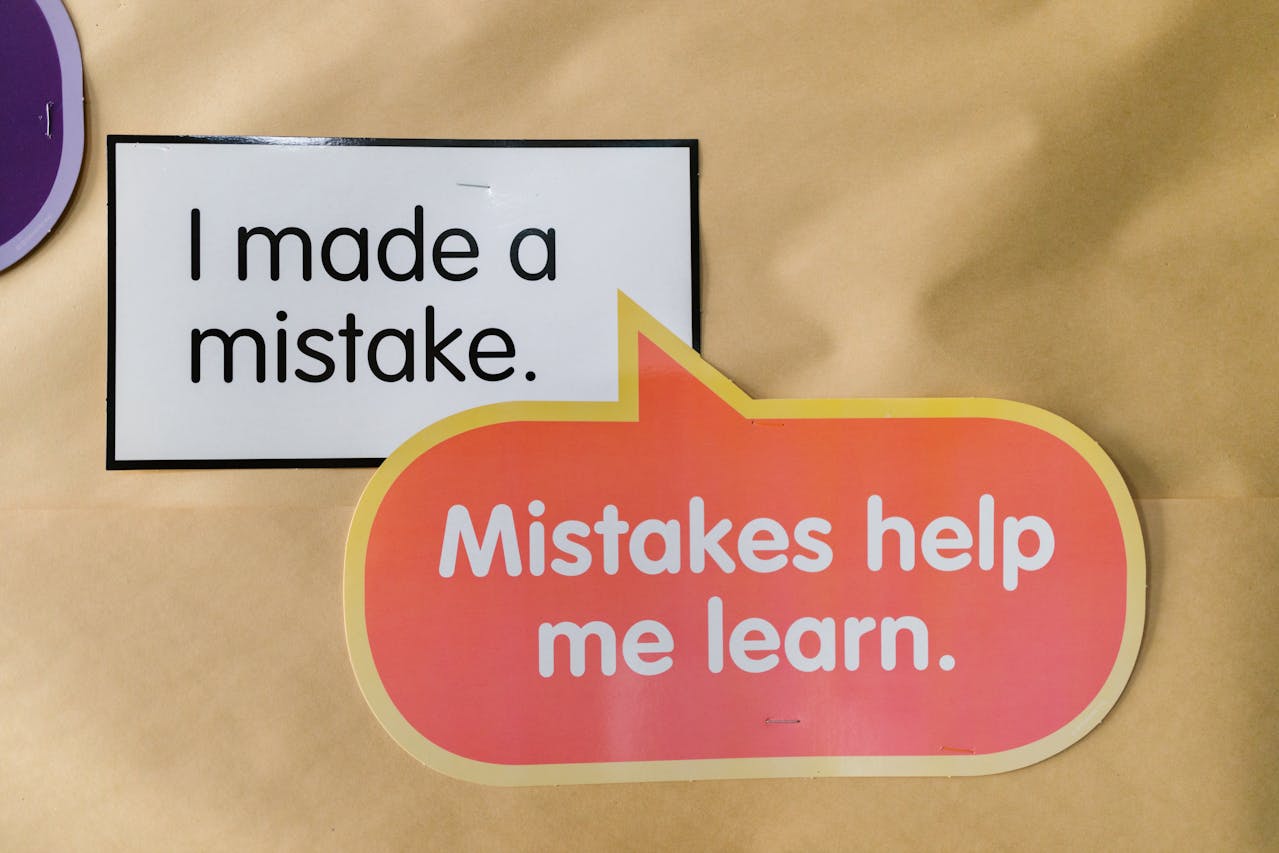
Resilience grows when children face challenges with support and encouragement. Parents can foster resilience by creating safe opportunities for children to struggle, learn, and recover.
1. Normalize Mistakes
Teach children that mistakes are part of learning. Share your own small failures and how you overcame them. This helps children see setbacks as temporary, not defining.
2. Encourage Problem-Solving
Instead of rushing to fix every issue, guide children to find solutions:
“What could you try next?”
“How might you handle this differently?” This builds confidence and independence.
3. Promote a Growth Mindset
Praise effort, perseverance, and creativity rather than innate talent. Statements like “You worked hard on that puzzle” encourage children to see challenges as opportunities to grow.
4. Teach Coping Strategies
Introduce calming techniques such as deep breathing, counting to ten, or taking a break. These tools help children regulate emotions during stressful moments.
5. Provide Age-Appropriate Challenges
Let children attempt tasks slightly beyond their comfort zone—tying shoelaces, riding a bike, or speaking in front of a group. With support, they learn that persistence leads to mastery.
🌈 Combining Gratitude and Resilience



Gratitude and resilience reinforce each other. A child who appreciates small joys is better equipped to endure difficulties, while a resilient child is more likely to remain grateful even in tough times. Parents can combine both lessons by:
Reframing setbacks: When something goes wrong, ask, “What can we still be thankful for?”
Highlighting silver linings: Encourage children to find positives in challenges, such as learning patience while waiting or discovering new skills after failing.
Practicing gratitude after resilience: Celebrate the effort it took to overcome a challenge and express appreciation for the growth it brought.
🛠 Practical Daily Exercises
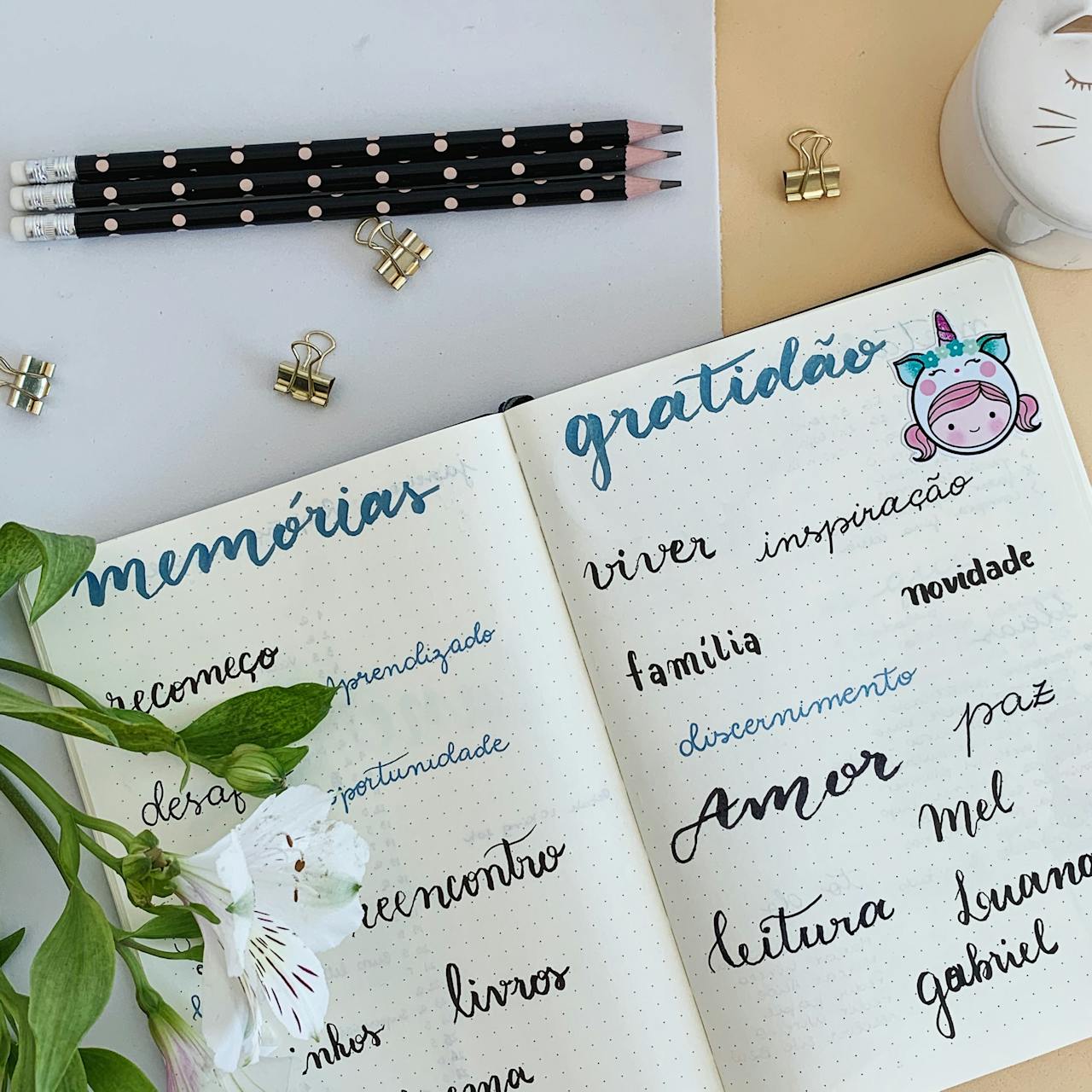


Here are simple activities parents can weave into daily life:
Gratitude journal: Even young children can draw or write one thing they’re thankful for each day.
Resilience role-play: Act out scenarios like losing a game or spilling a drink, then practice coping strategies together.
Thank-you notes: Encourage children to write or draw notes for teachers, friends, or family members.
Challenge of the week: Set a small goal (learning a new skill, helping with chores) and celebrate the effort, not just the result.
🌟 Final Thoughts
Teaching gratitude and resilience is not about perfection—it’s about consistency. Parents don’t need grand gestures; small, daily practices make the biggest impact. By modeling thankfulness, encouraging problem-solving, and celebrating effort, parents equip their children with emotional tools that last a lifetime.
Gratitude helps children see the beauty in everyday moments, while resilience empowers them to face life’s inevitable challenges with courage. Together, these traits create a strong foundation for happiness, empathy, and success.
Raising grateful and resilient children is one of the greatest gifts parents can give—not just to their children, but to the world they will grow up to shape.